
In a world that thrives on variety and uniqueness, it's no surprise that this desire for distinction extends even to our morning cup of coffee. The coffee landscape has evolved far beyond the days of simple instant brews, ushering in an era of exploration and appreciation for the intricate nuances found in every sip. Single-origin and specialty coffees have emerged as protagonists in this coffee revolution, offering enthusiasts a tantalizing journey through the diverse flavors and stories of different regions and farms.
Unveiling the Origins: Single-Origin Coffees
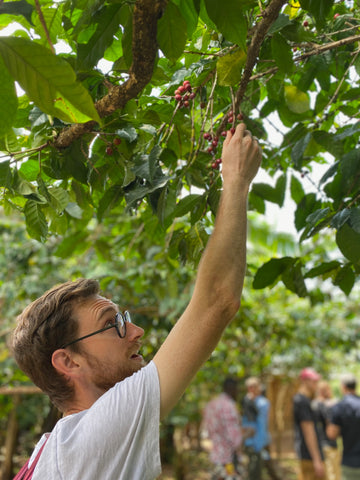
Picture a coffee bean growing on the slopes of a sun-kissed mountain range, nourished by the region's soil and climate. Single-origin coffee is a product of these distinctive growing conditions, harvested from a specific geographic location and carrying the essence of its birthplace in every bean. Unlike blends that mix beans from various origins to create a consistent flavor profile, single-origin coffees focus on celebrating the unique characteristics imparted by a particular region's terroir.
Each coffee-growing region contributes its own flavor notes and aromas, much like wine regions influence the taste of grapes. A coffee from Ethiopia might exude floral and fruity tones, whereas a Colombian coffee could delight the palate with a balanced combination of caramel and citrus. Exploring single-origin coffees is akin to embarking on a global taste adventure, where one can experience the earthy warmth of Indonesian beans or the bright acidity of Kenyan coffee.
The Art of Specialty Coffees

Within the realm of single-origin coffees lies an even more exclusive category: specialty coffees. To be deemed "specialty," a coffee must score 80 points or above on a scale of 100, as evaluated by certified coffee tasters. These remarkable beans showcase exceptional flavors, often pushing the boundaries of taste and aroma.
Producing specialty coffee is an art that requires meticulous attention to detail at every stage of cultivation, harvesting, processing, and roasting. The pursuit of perfection is evident in the dedication of the farmers who meticulously tend to their crops, ensuring only the ripest cherries are hand-picked. The beans then undergo meticulous processing methods, whether it's the washed method that imparts clarity or the natural process that intensifies fruitiness.
Roasting specialty coffee demands the expertise to unlock the fullest potential of each bean. Roasters carefully tailor their techniques to accentuate the unique flavors inherent in the coffee. A light roast might emphasize the nuanced floral and fruity notes, while a medium roast could highlight a coffee's balance of sweetness and acidity. The result is a cup that tells a story, one that encapsulates the journey from farm to mug.
Connecting with the Source
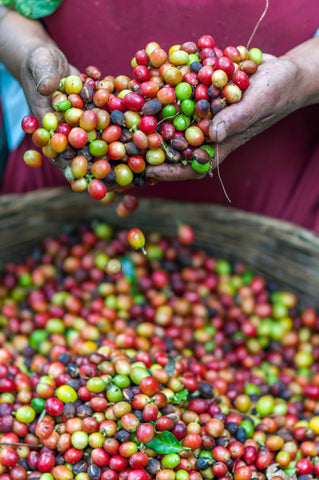
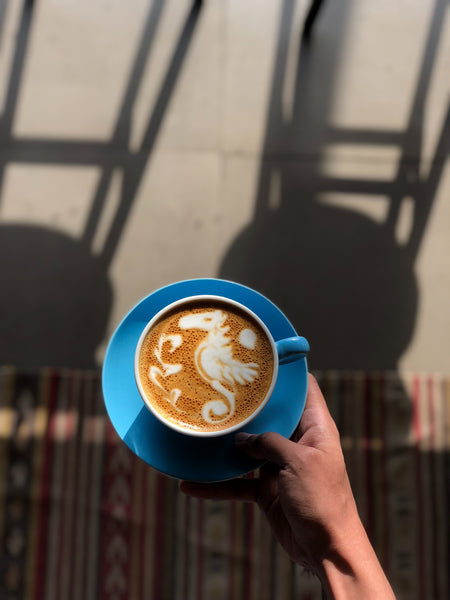
One of the most alluring aspects of single-origin and specialty coffees is the connection they foster between coffee drinkers and the communities that cultivate these beans. When sipping on a cup of Ethiopian Yirgacheffe or Guatemalan Antigua, one is indirectly transported to the lush landscapes where the coffee was nurtured. This connection brings a sense of authenticity and appreciation to the coffee-drinking experience, reminding us that our morning ritual is tied to the hard work and dedication of farmers around the world.
Many specialty coffee brands have embraced the concept of direct trade, forging direct relationships with coffee producers. This approach ensures that the farmers receive fair compensation for their labor and that the coffee is sourced ethically and sustainably. Through direct trade, coffee enthusiasts can trace their brew back to the specific farm, building a sense of transparency and accountability in the industry.
The Pursuit of the Perfect Brew
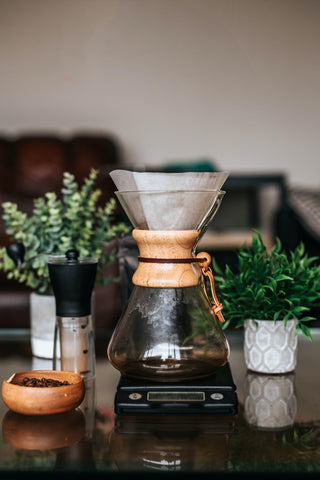
For those who embark on the journey of exploring single-origin and specialty coffees, the pursuit of the perfect brew becomes a passion. The quest isn't limited to merely selecting the beans; it extends to mastering the art of brewing. Every variable—water temperature, grind size, brewing time—contributes to the final flavor profile.
A pour-over method might be chosen to highlight the intricate flavors of a delicate Ethiopian coffee, while a French press could be used to bring out the rich body of a Brazilian single-origin. Each brewing method offers a unique lens through which to experience the character of the beans, inviting coffee enthusiasts to experiment and refine their techniques.
The Future of Coffee Appreciation
As the coffee industry continues to evolve, single-origin and specialty coffees are poised to play an integral role in shaping its future. These coffees offer more than just a caffeinated jolt; they offer a connection to cultures and communities, a deeper understanding of agriculture and craftsmanship, and a heightened sensory experience that transcends the mundane.
With each sip of a thoughtfully brewed cup, we embark on a journey that spans continents and encompasses generations of expertise. Single-origin and specialty coffees remind us that our choices as consumers can contribute to a more sustainable and equitable coffee industry, one that honors the efforts of farmers and roasters who are dedicated to delivering exceptional quality.
In an era of customization and individuality, our cups of coffee have become more than just a routine. They have transformed into vessels of exploration, each sip a step into the intricate world of flavors, aromas, and stories that are woven into every bean. So, the next time you savor that single-origin or specialty coffee, take a moment to appreciate the artistry and passion that brings such delight to your palate—a tribute to the global journey encapsulated within your cup.


